



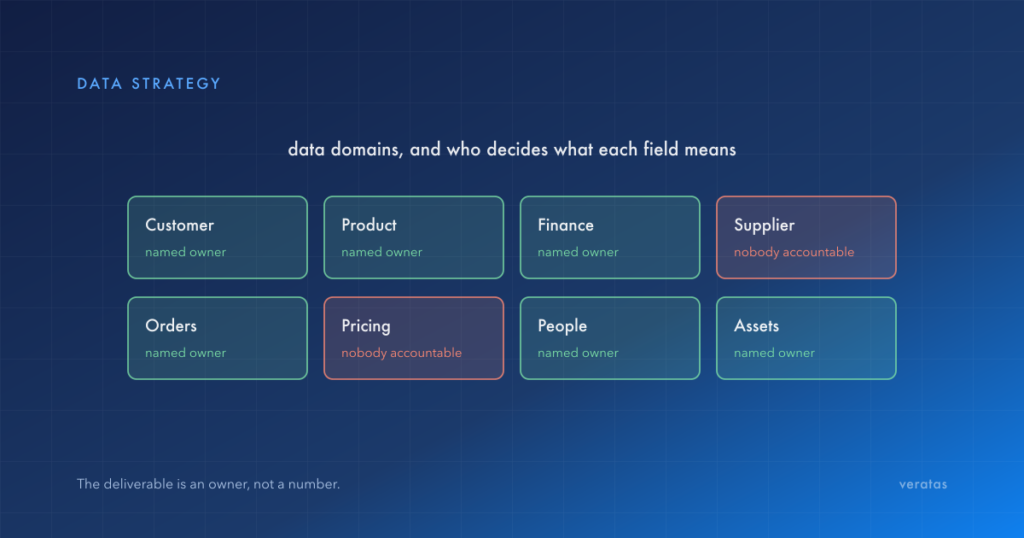
A data maturity assessment has no Microsoft model behind it. What Microsoft does publish, what a score is worth, and what the work should produce instead.
Azure and Business Intelligence Architect with 17+ years of experience delivering cloud data and analytics solutions. Focus areas include Azure data platforms, ETL and ELT architecture, and enterprise BI on Microsoft Azure.
A data maturity assessment has no Microsoft model behind it. What Microsoft does publish, what a score is worth, and what the work should produce instead.
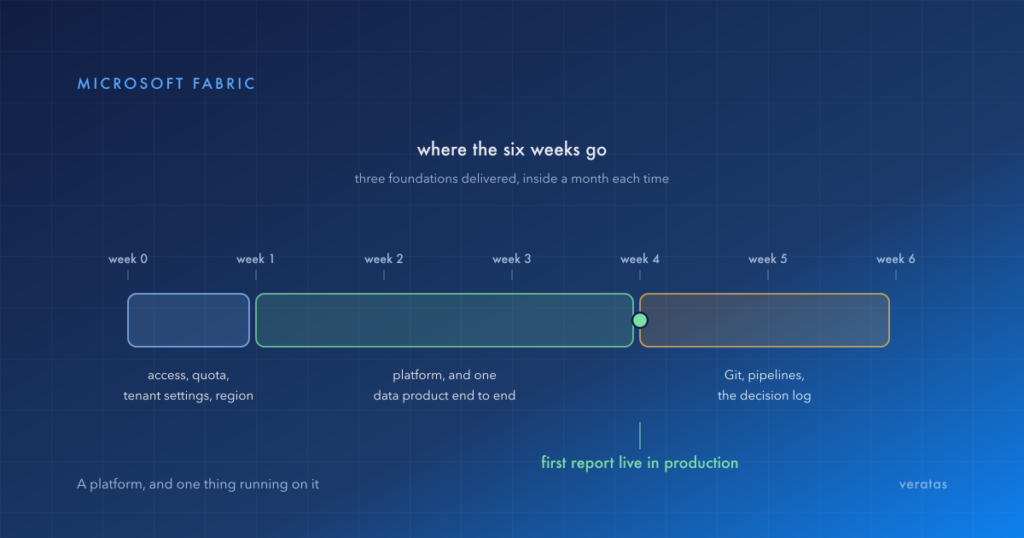
A six-week Fabric implementation plan delivers a platform and one data product, not a migration. The decisions that are hard to reverse, and week zero.
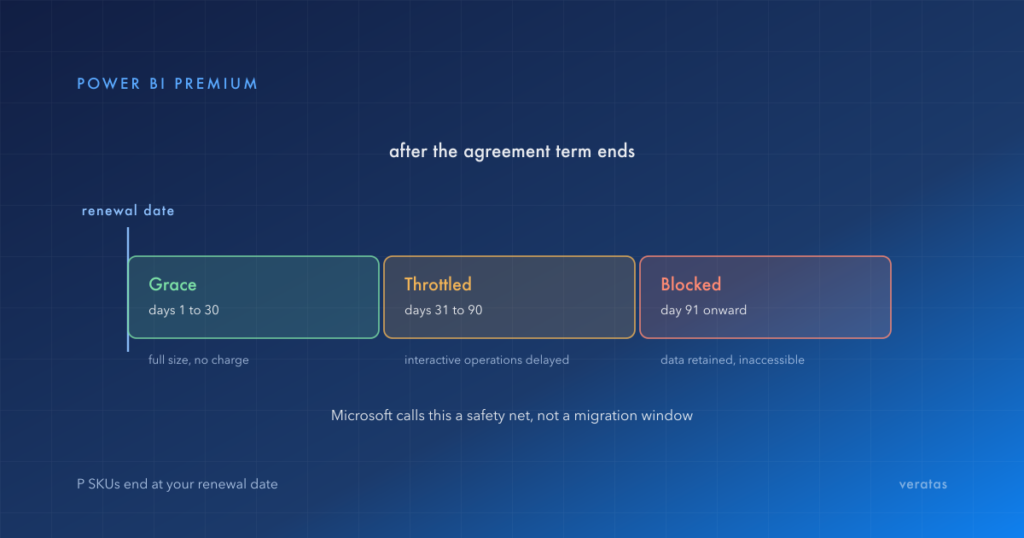
Power BI Premium to Fabric is not optional: P SKUs end at renewal. The timeline, the P1 to F64 mapping, and the order that avoids an outage on the day.
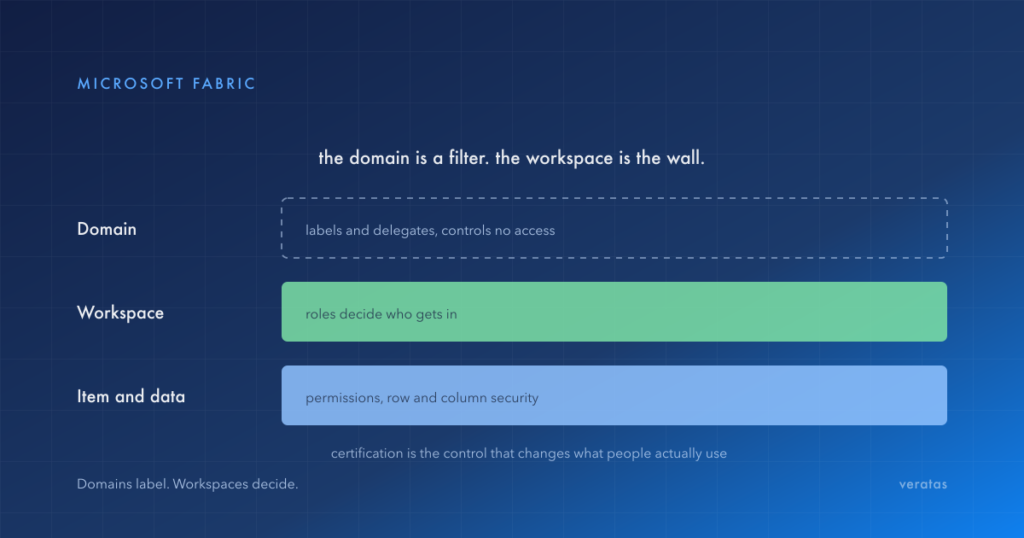
Fabric governance is built on domains and endorsement, but a domain never decides who can see data. Certification is the control that changes behaviour.
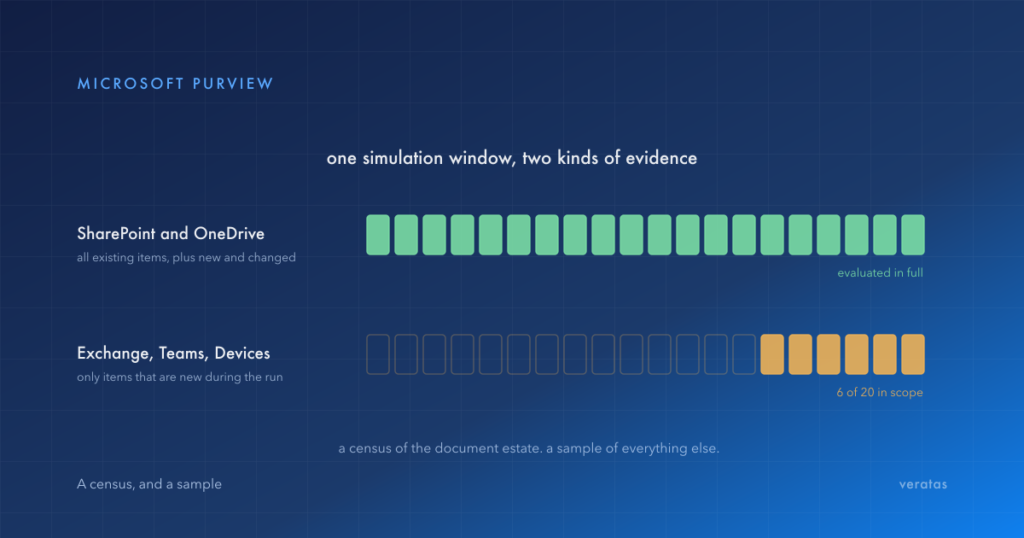
Purview DLP policy design starts with a sentence, not a template. Microsoft puts intent before configuration, and simulation mode is not a dress rehearsal.
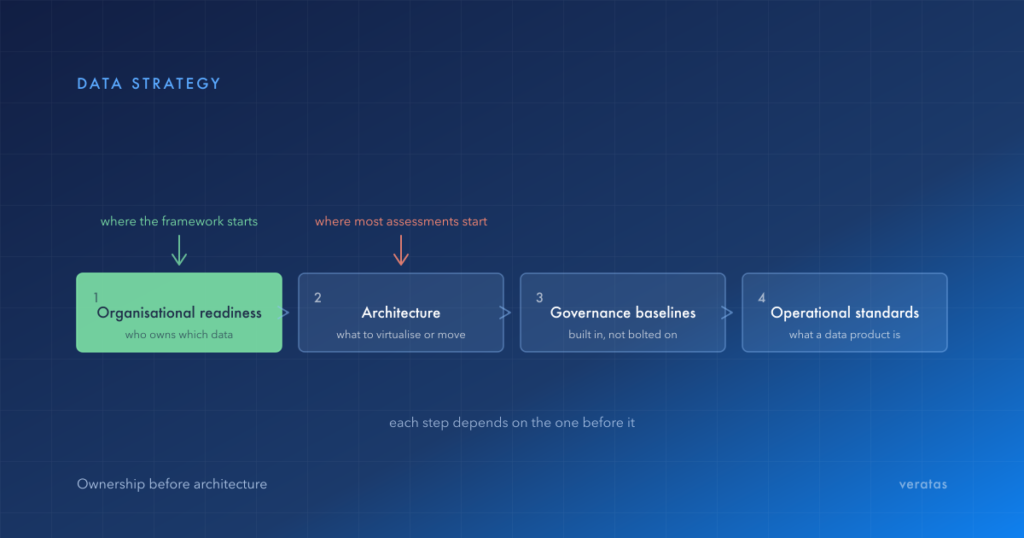
A data platform assessment usually starts with architecture. Microsoft’s own first step is ownership, and assessments that skip it produce designs nobody owns.
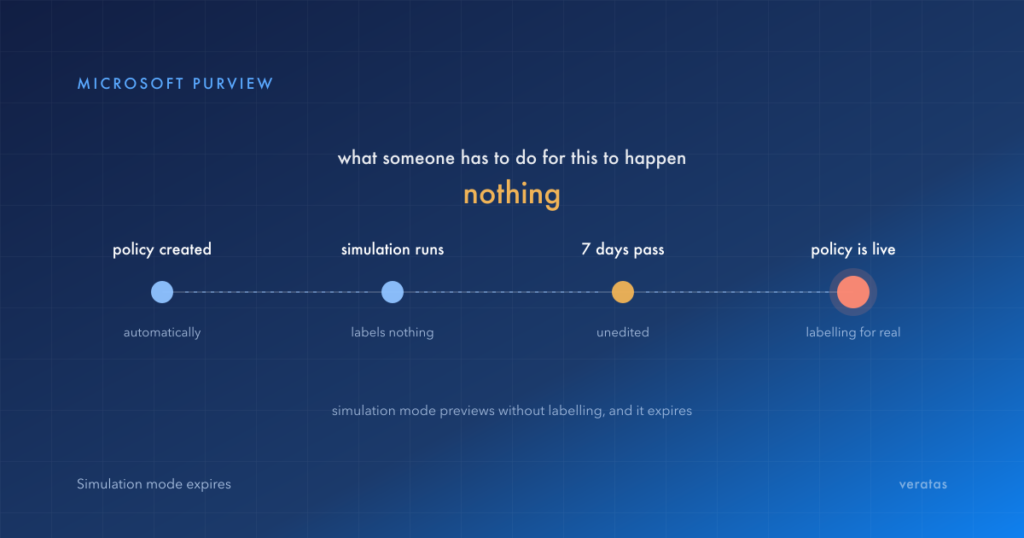
A sensitivity labels rollout may already be running in your tenant. Default labels arrive on their own, and one policy switches itself on after seven days.
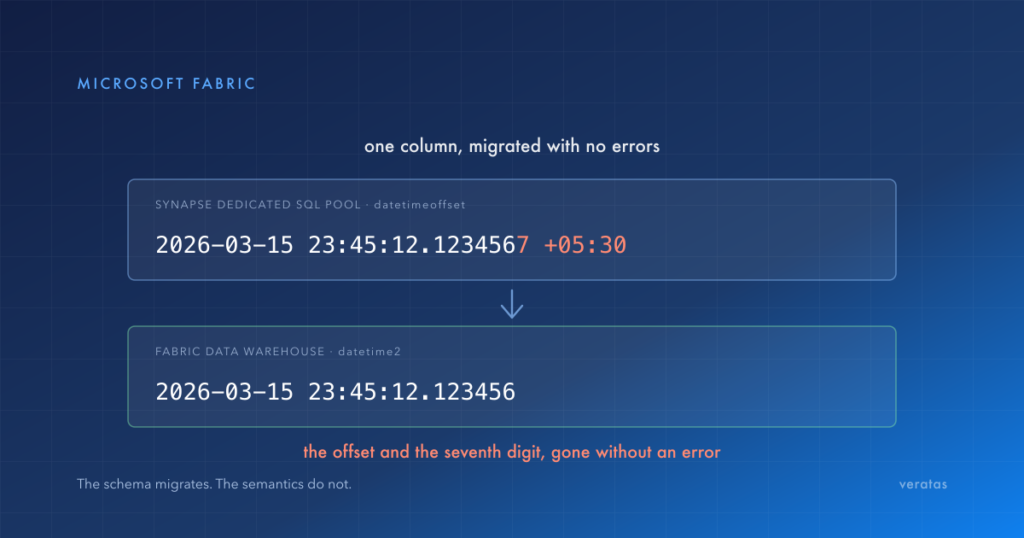
A Synapse to Fabric migration moves your schema, not your semantics. The type mappings, the objects the assistant skips, and where data quietly changes.
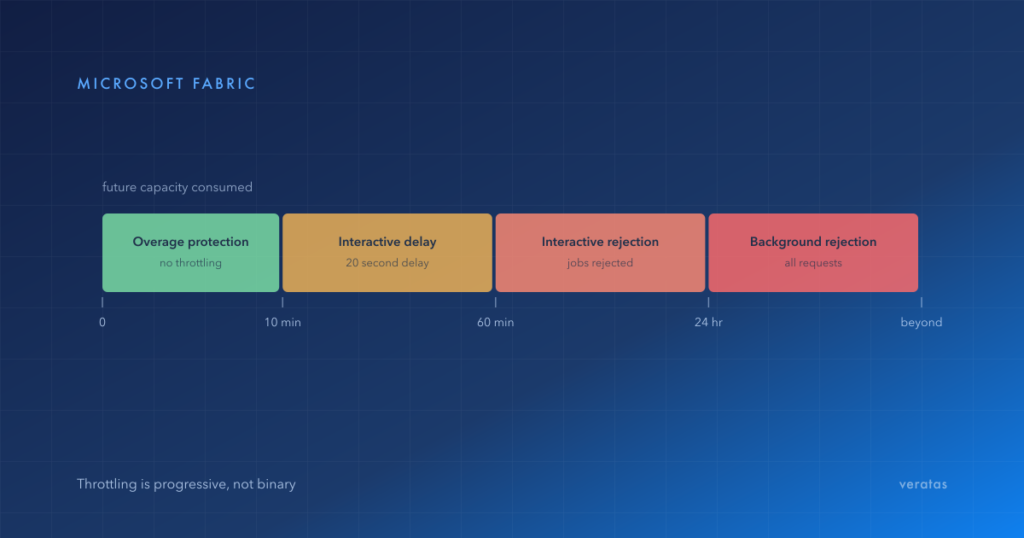
Fabric capacity planning starts with the metrics app, not the purchase order. What to read before scaling up, and why doubling the SKU is rarely the fix.
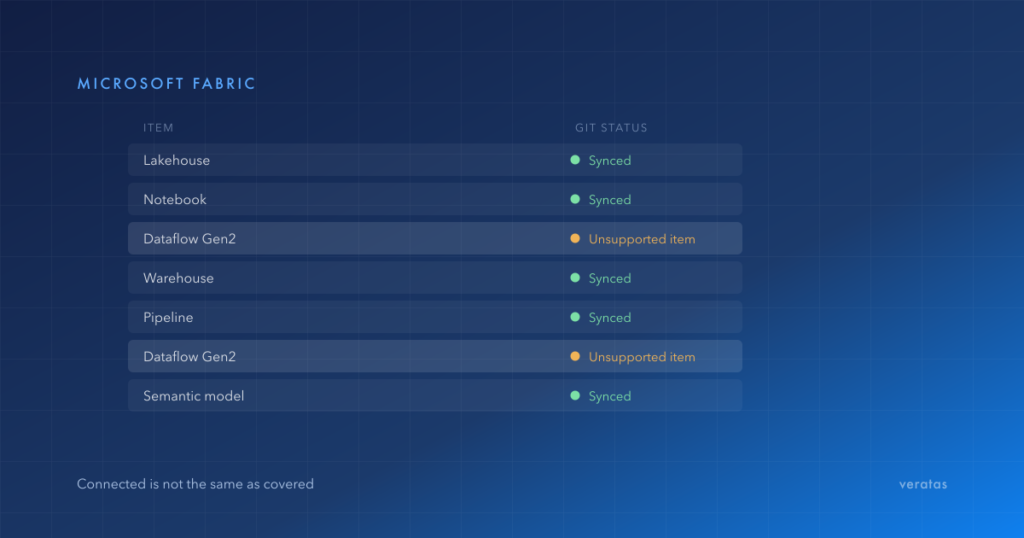
Fabric Git integration versions your workspace, but not every item. What syncs, where the gap is flagged, and why nobody looks at the column that shows it.
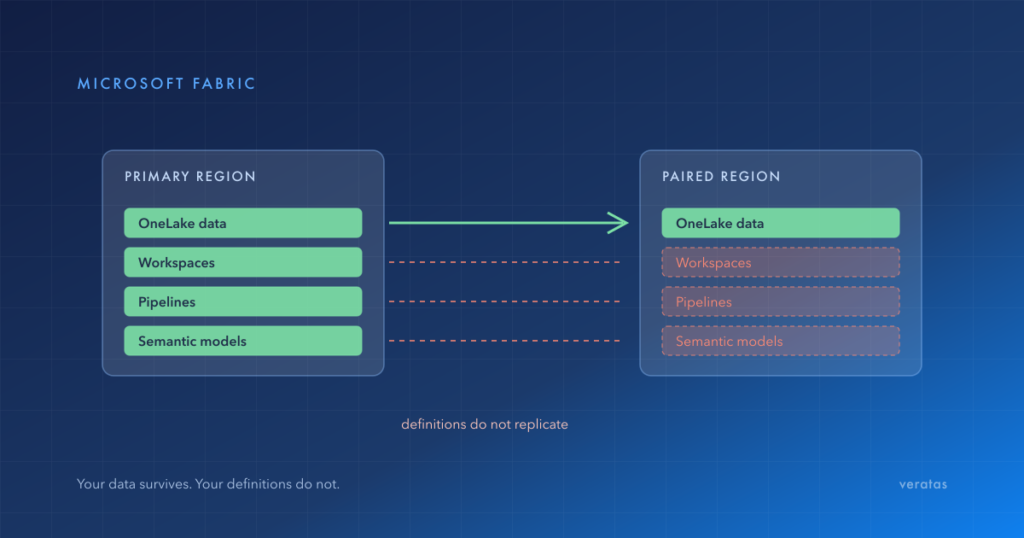
Microsoft Fabric has built-in disaster recovery, and that sentence has given a lot of architecture teams false comfort. The capability is real. What it protects is considerably narrower than most teams assume, and the gap between “DR is enabled” and “we can actually recover” is where the risk lives. This article sets out exactly what […]
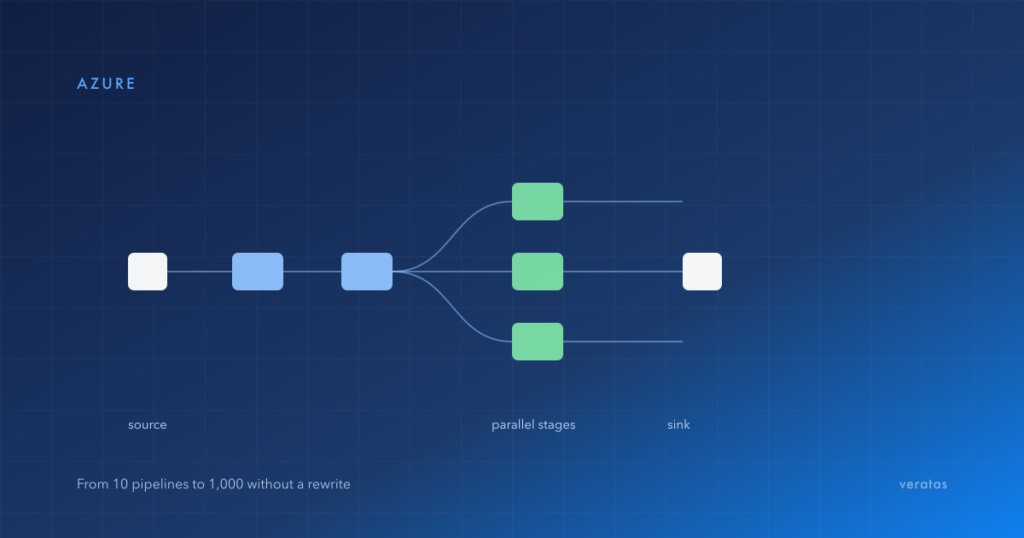
Azure Data Factory (ADF) is Microsoft’s cloud-native ETL/ELT service, but scaling from 10 to 1,000+ pipelines requires architectural patterns that most…
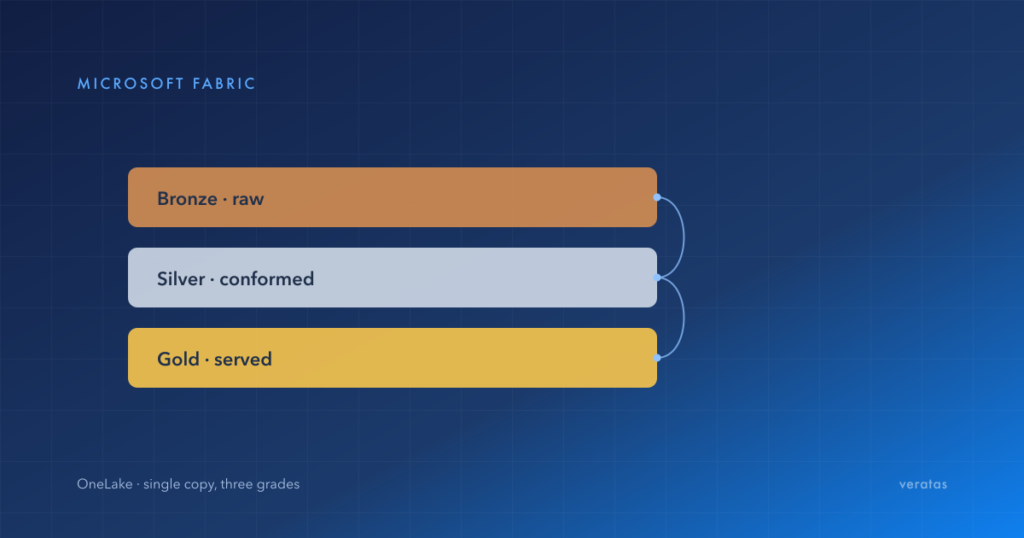
Microsoft Fabric represents the most significant shift in enterprise data architecture since cloud data warehouses.
This framework represents a synthesis of 50+ enterprise Azure VMware Solution (AVS) deployments, distilling production lessons into prescriptive technical…
The modern data stack has converged on a single architectural truth: the lakehouse.